Why Am I So Tired But Can’t Sleep?

You’ve been tired all day and thinking about getting into bed since about 3pm… You finally get there and suddenly your brain decides it’s time to wake up.
Or maybe falling asleep isn’t the problem. You fall asleep easily enough, but you wake at 2am or 3am and can’t get back to sleep.
Being exhausted but unable to sleep can be incredibly frustrating, particularly when it starts affecting how you feel and function during the day.
And while it’s tempting to put it down to stress, poor sleep habits or simply getting older, there can be a lot more going on.
How can you be exhausted but still unable to sleep?
Feeling tired and being able to sleep aren’t quite the same thing.
Sleep is influenced by your circadian rhythm, nervous system, hormones, blood sugar, caffeine, alcohol, medications, what and when you eat, your environment and what is happening in your life.
Sometimes there is one fairly obvious reason sleep has gone downhill.
More often, particularly in the people I see in clinic, there are several things contributing at the same time.
Stress and the nervous system
You can be physically exhausted while your nervous system is still very much switched on.
If you’ve spent the day rushing, working, parenting, problem solving, worrying or jumping from one thing to another, your body doesn’t necessarily switch out of that state just because you’ve climbed into bed.
This can look like:
feeling tired but wired at night
lying in bed thinking about everything you need to do tomorrow
replaying conversations
waking during the night with your mind immediately starting up
jaw clenching or teeth grinding
feeling physically tense even when you’re trying to relax
Sometimes people have been functioning like this for so long that they don’t actually realise how much tension they’re carrying.
Supporting sleep therefore isn’t always about finding a stronger sleep supplement. Sometimes we need to look at what is keeping the body switched on in the first place.
ADHD and sleep
Sleep problems are very common in people with ADHD.
An ADHD brain doesn’t always appreciate that 10pm is supposed to mean the day is finished.
You might finally have some quiet and suddenly want to research something, reorganise something, watch one more episode or scroll for much longer than you intended.
There can also be difficulty transitioning between activities, delayed sleep timing and a brain that becomes particularly active once there are fewer distractions around.
And then there’s the other side of it. Poor sleep can make concentration, emotional regulation, motivation and overwhelm worse the following day.
If you have ADHD, improving sleep can make a significant difference to how manageable everything else feels.
Perimenopause and sleep
For many, sleep suddenly becomes much more difficult during perimenopause.
You may have slept reasonably well for most of your life and then find yourself waking repeatedly, waking too early or simply not getting the deep, restorative sleep you used to.
Hot flushes and night sweats can obviously interfere with sleep, but they are not the only reasons perimenopause can affect your nights.
Hormonal changes can also influence mood, temperature regulation and the systems involved in sleep.
Add the mental load that often comes with this stage of life and it’s not surprising that sleep can become more challenging.
If you’re in your 40s and your sleep has changed for no apparent reason, perimenopause is certainly something worth considering.
Are you eating enough during the day?
Busy people often unintentionally under-eat during the day.
Maybe breakfast is coffee, lunch happens late or not at all, and most of your food is eaten at dinner.
That can leave you tired during the day and isn’t necessarily a great set-up for sleep either.
Protein, carbohydrates and overall daily energy intake all make a difference.
Rather than automatically focusing on removing foods, I’m often looking at whether someone is actually eating enough, whether meals are balanced and whether there are huge gaps between them.
Caffeine and sleep
“I only have two coffees a day” doesn’t necessarily mean caffeine isn’t affecting your sleep.
Caffeine can stay in your system for many hours, and people vary considerably in how sensitive they are to it.
That afternoon coffee that seems completely harmless may still be influencing your ability to fall asleep later that night.
You don’t necessarily have to give coffee up.
Sometimes simply moving it earlier makes a noticeable difference.
Alcohol and sleep
Alcohol can make you feel sleepy, which is why it can seem as though it helps sleep.
Unfortunately, feeling sleepy and getting good-quality sleep are not the same thing.
Alcohol can contribute to more disrupted sleep later in the night and can be particularly noticeable if you’re already prone to waking in the early hours.
If you regularly wake around 2am or 3am, it’s worth noticing whether it happens more often after drinking.
What about magnesium and sleep supplements?
Magnesium can be useful for some people, particularly when muscle tension or inadequate magnesium intake is part of the picture.
There are also herbs and nutrients that I use in practice when they’re appropriate.
But I don’t think everyone with insomnia needs the same “sleep formula”.
If your sleep is being affected by perimenopause, ADHD, stress, inadequate food intake, medication, alcohol, sleep apnoea or another underlying health issue, taking a handful of sleep supplements without looking at the bigger picture may not get you very far.
The aim is to work out why you aren’t sleeping well and treat accordingly.
Don’t forget the simple things
The basics can sound boring, but they matter.
Getting outside into natural light in the morning can help support your circadian rhythm. Regular movement helps. A bedroom that is dark, quiet and not too warm helps.
And if scrolling on your phone regularly turns 10pm into midnight, that’s worth addressing too.
You don’t have to create a perfect two-hour evening routine involving herbal tea, meditation, journalling and absolutely no screens.
For most people that isn’t realistic anyway.
Start with the things that are likely to make the biggest difference for you.
When should you investigate poor sleep further?
Not every sleep problem should be treated as a lifestyle issue.
If you snore heavily, wake gasping, experience significant daytime sleepiness, regularly wake with headaches or have been told you stop breathing during the night, speak to your GP about sleep apnoea.
Persistent fatigue can also warrant further investigation.
Depending on your symptoms and medical history, it may be appropriate to investigate things such as iron, B12, thyroid function or other possible contributors rather than assuming everything is caused by poor sleep.
How I approach sleep as a naturopath
When someone comes to see me because they’re exhausted and not sleeping, I want to know what their sleep actually looks like.
Can’t fall asleep?
Waking at 3am?
Waking repeatedly?
Sleeping for eight hours but still feeling exhausted?
I’ll also look at what is happening during the day because sleep doesn’t exist in isolation.
We might talk about stress, ADHD, perimenopause, food, caffeine, alcohol, medications, exercise, digestion and what your evenings actually look like.
If testing or medical investigation is warranted, I’ll recommend that too.
From there we can work out what is most likely contributing to your sleep problem and put together a realistic plan.
Because if you’re spending every day exhausted and every night wondering why you’re suddenly wide awake, there’s usually more we can investigate than simply telling you to go to bed earlier.
Naturopathic support for sleep, stress and fatigue
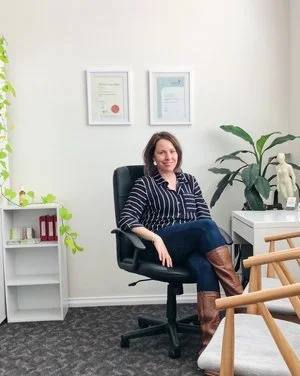
I’m a naturopath with more than 17 years in clinical practice, and sleep, stress and fatigue are some of my favourite areas to work with.
I have a particular interest in supporting people who live within neurodivergent families, and those navigating perimenopause, where sleep problems can often be part of a much bigger picture.
Online naturopathic consultations are available via telehealth Australia-wide, with in-person appointments also available in Dural in Sydney’s Hills District.
If poor sleep is starting to affect how you feel during the day, you can book an initial consultation or a discovery call to see whether naturopathic support is right for you.