How to Choose Low Tox Cleaning Products
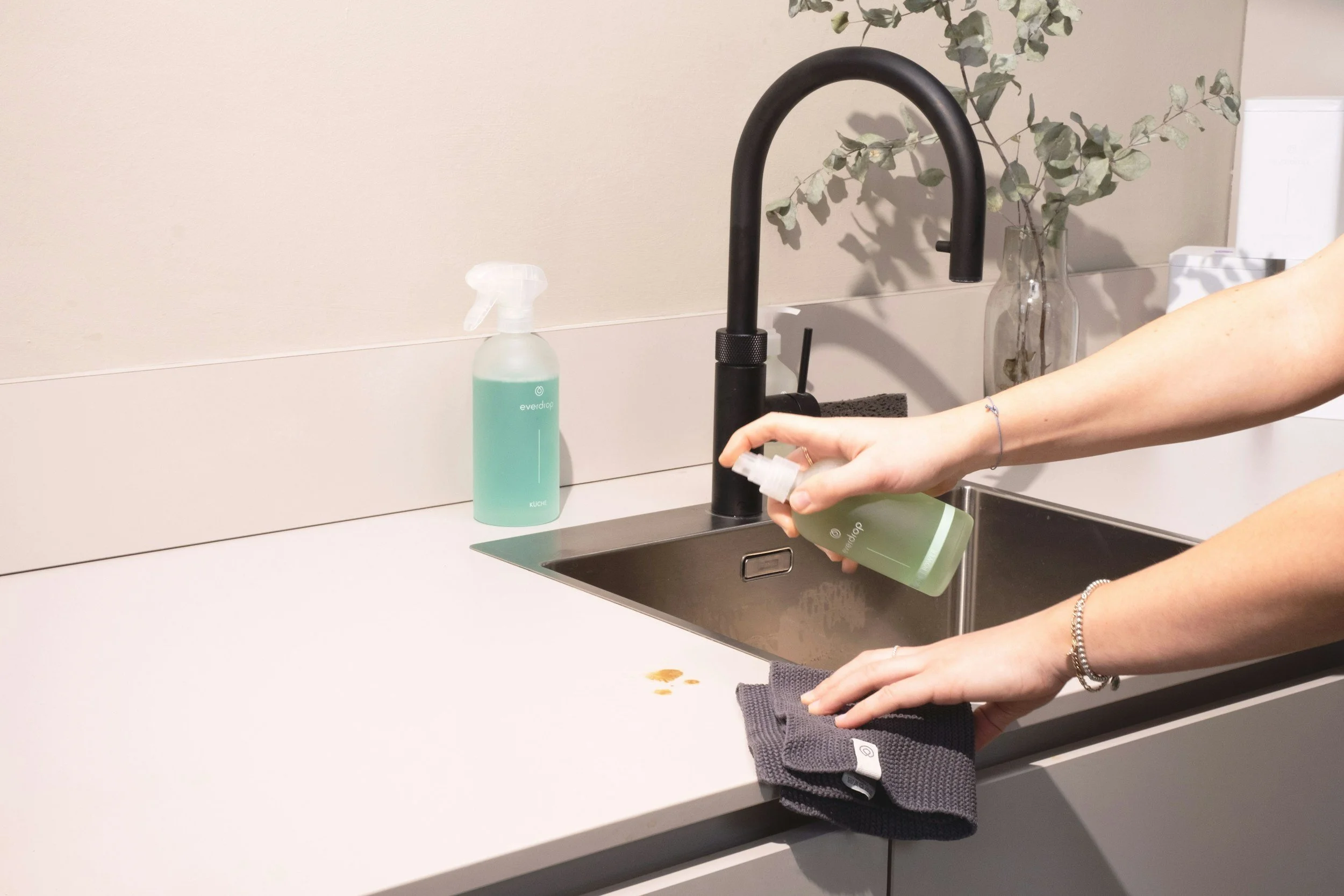
Walk down the cleaning aisle at the supermarket and you'll quickly notice that a lot of products claim to be "natural", "plant-based", "eco-friendly" or "green".
Unfortunately, those words don't always mean very much.
Choosing lower-tox cleaning products can feel confusing, especially when the marketing often sounds healthier than the ingredient list.
The good news is that you don't need to become an expert in chemistry. A few simple principles can help you make more informed choices without feeling overwhelmed.
What does "low tox" actually mean?
When people talk about "low tox" cleaning, they're generally referring to products that reduce unnecessary exposure to harsh or potentially irritating ingredients while still cleaning effectively.
It's important to remember that "low tox" isn't a regulated term. There isn't one official definition, and every brand has a slightly different interpretation.
For me, low tox isn't about eliminating every chemical from your home. Everything is made up of chemicals, including water. It's about making sensible, informed choices that reduce unnecessary chemical exposure where it's practical to do so.
Don't be fooled by the label
When you start trying to make low tox choices you'll quickly notice a pattern.
White bottles.
Soft green labels.
Pictures of leaves, lemons or eucalyptus.
Words like natural, eco-friendly, plant-based and pure.
These soft, neutral colour palettes instantly make them feel healthier and more environmentally friendly.
It's easy to get swept up in the aesthetics of it all.
Keep your wits about you... they're trying to trick you!
Well... maybe "trick" is a little harsh, but remember that you're being marketed to. Attractive packaging doesn't necessarily tell you what's inside the bottle.
Instead of relying on the front label, turn the product over and look at the ingredient list. Companies that are proud of what's in their products are usually transparent about telling you.
What I look for
When I'm choosing cleaning products, I generally look for options that:
are free from synthetic fragrances where possible
clearly list their ingredients
use plant-derived ingredients where appropriate
are biodegradable
offer refill options or recyclable packaging
come from companies that are transparent about their ingredients and manufacturing
Remember, "natural" doesn't automatically mean better, and "chemical-free" isn't an accurate marketing term.
The goal isn't perfection. It's simply making better choices where you can.
Ingredients I try to minimise
Rather than focusing on one "bad" ingredient, I look at the bigger picture.
Depending on the product, I generally try to minimise unnecessary exposure to:
synthetic fragrances
chlorine bleach (when a gentler product will do the job)
ammonia
harsh solvents
unnecessary antibacterial ingredients in everyday household cleaning
Many of these ingredients have an important place in certain situations, but for everyday household cleaning they're often not essential.
Make life easier
You don't need to memorise long ingredient names or spend hours standing in the supermarket aisle comparing bottles.
One app I recommend to take the overthinking out of cleaning up your products is Yuka.
Download the app, set up your account and when you’re in the shops you can scan the barcode of a product and the app provides an easy-to-understand rating based on the ingredients, along with suggested alternatives where available (I use this app frequently to scan “trending” foods and beauty products so I can show my 9 year old why they are no good for them - they trust the app over me so it saves a lot of long debates in the shopping centre!).
Like any app, it's not perfect, but it can be an excellent starting point when you're learning to make more informed choices.
If you're already ordering practitioner supplements through my Vital.ly dispensary, you'll also find a growing range of lower-tox household products in the retail section. If you'd like a few recommendations to get started, just let me know and I can add my favourite products to your optional items so they're waiting for you next time you log in.
Don't overthink it
Reducing your exposure to unnecessary chemicals is one way to support your health, but it doesn't need to become another source of stress.
Our bodies are incredibly clever. They're designed to process and eliminate many of the substances we're exposed to every day.
Rather than striving for a perfectly toxin-free home, I encourage clients to focus on simple, sustainable changes that fit their lifestyle.
Maybe you start by changing your bench spray.
Then your laundry detergent.
Then your dishwashing liquid.
Over time, those small changes really do add up.
Don't overcomplicate it.
Keep your wits about you when you're shopping, take marketing claims with a grain of salt and make small improvements as your current products run out.
Creating a healthier home doesn't happen overnight, and it doesn't have to.
Every small change is a step in the right direction.